
-Ahemed Shamim Ansary
Graduating from university is one of life’s most exciting milestones. It represents years of dedication, late-night study sessions, countless assignments, and dreams about building a successful career. Yet, after receiving that long-awaited degree, many fresh graduates discover an unexpected reality: securing the right job is far more competitive than they imagined. Employers today receive hundreds—even thousands—of applications for a single position, making it increasingly difficult to stand out through academic qualifications alone.
This is where personal branding for fresh graduates becomes one of the most valuable career investments. Your personal brand is not simply your LinkedIn profile, resume, or social media presence. It is the complete perception people have about your professionalism, credibility, expertise, attitude, and potential. It tells employers who you are before you ever walk into an interview.
Whether you aspire to work in multinational corporations, startups, NGOs, government organizations, or launch your entrepreneurial journey, building a strong personal brand can significantly improve your visibility and increase your chances of career success. Combined with continuous career development, practical experiences, effective communication, and strategic networking, your personal brand becomes your competitive advantage in today’s evolving employment landscape.
In this guide, we’ll explore practical, proven, and highly effective personal branding tips that every fresh graduate should implement to improve employability, strengthen professional reputation, and confidently begin a successful career.
Why Personal Branding Matters More Than Your CGPA in Today’s Job Market
Academic performance remains important, but today’s employers evaluate candidates far beyond their grades. A high CGPA demonstrates discipline and academic ability, yet organizations increasingly seek individuals who can communicate effectively, solve problems, collaborate with teams, adapt to changing technologies, and continuously learn.
This shift reflects the changing nature of the workplace. Modern recruitment focuses on potential, attitude, emotional intelligence, and practical capabilities just as much as educational achievement.
Imagine two graduates with similar academic backgrounds. One submits a generic CV with little online presence. The other maintains a polished LinkedIn profile, shares thoughtful industry insights, has completed relevant certifications, participates in professional communities, and showcases project work through an online portfolio.
Which candidate appears more prepared for the professional world?
Most recruiters would naturally choose the second candidate because their digital personal branding provides stronger evidence of commitment, initiative, and workplace readiness.
Personal branding also helps employers understand:
- Your professional interests
- Your communication style
- Your career goals
- Your values
- Your learning mindset
- Your long-term potential
In many cases, these qualities become stronger hiring factors than grades alone.
Define Your Unique Value Proposition Before Applying for Jobs
One of the biggest mistakes many graduates make is applying for every available position without clearly understanding what they actually offer employers.
Before writing your resume or beginning your job search, ask yourself several important questions:
- What problems can I solve?
- Which skills distinguish me from other graduates?
- What industries genuinely interest me?
- What kind of professional do I want to become?
Your answers form your Unique Value Proposition (UVP).
Perhaps you enjoy analyzing data, designing user experiences, writing compelling content, developing software, solving business challenges, or managing projects. Identifying these strengths allows you to present yourself consistently across every platform.
Your personal brand should communicate one clear message.
For example:
“I am a finance graduate passionate about business analytics and AI-driven decision-making.”
Or:
“I help organizations improve customer experiences through creative digital marketing.”
Clarity builds confidence. Confidence builds credibility.
Build a Professional LinkedIn Profile That Attracts Recruiters
Today, LinkedIn for job seekers has become one of the most powerful career platforms in the world. Recruiters actively search LinkedIn for qualified candidates long before publishing many vacancies.
Proper LinkedIn profile optimization begins with professionalism.
Your profile should include:
- A professional, high-quality photograph
- A compelling headline describing your expertise
- A well-written About section
- Educational background
- Internship experiences
- Volunteer activities
- Certifications
- Projects
- Skills
- Recommendations whenever possible
Instead of writing:
“Looking for a job.”
Write something more meaningful:
“Fresh Computer Science Graduate | Passionate about AI, Software Development, and Data Analytics | Building Technology Solutions That Create Impact.”
Your About section should tell your story rather than simply listing qualifications.
Discuss:
- What motivates you
- What you enjoy learning
- Your professional interests
- Your future aspirations
- How you create value
Recruiters appreciate authenticity far more than overly polished corporate language.
Create a Digital Footprint That Reflects Your Career Goals
Employers frequently search candidates online before making hiring decisions.
Your online presence should strengthen—not damage—your professional image.
Review your social media accounts carefully.
Ask yourself:
- Does this content represent the professional I want employers to see?
- Would I feel comfortable discussing these posts during an interview?
Building a positive digital personal branding strategy doesn’t require becoming an influencer.
Instead, consider:
- Sharing articles related to your field
- Posting reflections from workshops
- Writing about projects you completed
- Discussing lessons learned from internships
- Celebrating certifications
- Sharing volunteering experiences
- Commenting thoughtfully on industry discussions
Over time, this creates a professional digital identity that reinforces your career goals.
Develop In-Demand Skills Through Certifications and Continuous Learning
Today’s workplace changes faster than ever before.
Technologies evolve.
Industries transform.
Job roles continuously expand.
Successful professionals embrace lifelong learning.
While your university degree provides a foundation, employers increasingly value candidates who actively pursue skill development, upskilling and reskilling, and professional certifications.
Depending on your career goals, consider certifications in:
- Data Analytics
- Project Management
- Digital Marketing
- Human Resource Management
- Cybersecurity
- Artificial Intelligence
- Cloud Computing
- Financial Modeling
- Business Intelligence
- Graphic Design
- UI/UX
- Communication Skills
The growing importance of AI skills for jobs means graduates should also become comfortable using AI responsibly to improve productivity, research, writing, coding, and problem-solving.
Continuous learning demonstrates curiosity—a quality every employer appreciates.
Master Networking Strategies to Connect with Employers and Industry Leaders
Many graduates believe networking means asking strangers for jobs.
In reality, networking means building meaningful professional relationships.
Strong professional networking creates opportunities long before you actually need them.
Start by:
- Connecting with university alumni
- Joining LinkedIn groups
- Participating in webinars
- Attending career fairs
- Joining professional associations
- Participating in hackathons
- Volunteering at conferences
- Following industry leaders
When reaching out, avoid immediately requesting employment.
Instead:
Introduce yourself.
Express genuine interest.
Ask thoughtful questions.
Appreciate their work.
Build relationships gradually.
Networking works because people remember professionals who consistently contribute value, remain respectful, and demonstrate curiosity.
Over time, these relationships often lead to internships, referrals, mentorship, collaborations, and career opportunities.
Showcase Your Achievements with a Strong Portfolio and Personal Resume
Your resume should never simply repeat your academic transcript.
Instead, it should demonstrate impact.
Effective resume building tips include focusing on achievements rather than responsibilities.
Instead of writing:
Assisted with marketing activities.
Write:
Supported a digital marketing campaign that increased student engagement by 25%.
Similarly, effective CV writing for freshers highlights:
- Academic projects
- Research work
- Competitions
- Leadership experiences
- Volunteer contributions
- Certifications
- Awards
- Technical skills
- Soft skills
- Languages
- Freelance assignments
Whenever possible, create an online portfolio showcasing your work.
Depending on your profession, this may include:
- Design projects
- Software applications
- Writing samples
- Business analyses
- Marketing campaigns
- Research reports
- Videos
- Presentations
- Photography
- Case studies
A portfolio transforms claims into evidence.
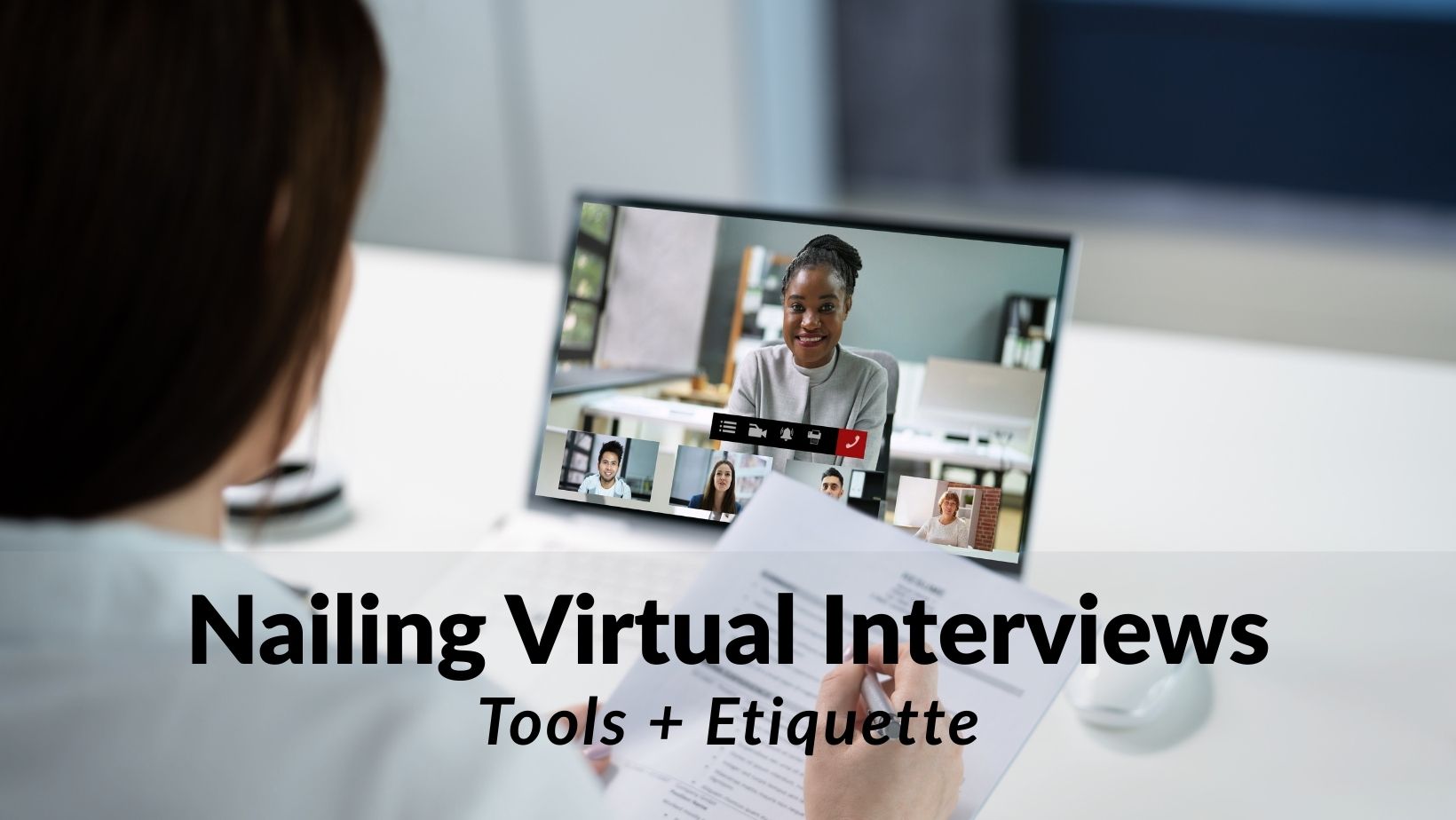
Strengthen Your Interview Presence Through Communication and Self-Assessment
Interviews evaluate far more than knowledge.
They assess confidence.
Professionalism.
Communication.
Problem-solving.
Self-awareness.
Many graduates underestimate the importance of self assessment for career improvement before interviews.
Reflect honestly:
- What are my strengths?
- Which questions challenge me?
- How do I respond under pressure?
- How can I improve?
Practice answering common interview preparation questions aloud.
Record yourself.
Review your posture.
Improve eye contact.
Refine your speaking pace.
Strong communication skills allow employers to see your personality beyond your resume.
Remember that interviews are conversations—not interrogations.
Approach them with curiosity rather than fear.
Build Professional Credibility Through Internships, Volunteering, and Freelance Projects
One common frustration among graduates is hearing employers request experience for entry-level roles.
Fortunately, experience comes in many forms.
Internship opportunities remain among the best ways to gain practical exposure.
However, if internships are unavailable, consider:
- Freelance work
- Community volunteering
- Student organizations
- Research assistance
- NGO projects
- Campus leadership
- Online collaborative projects
- Open-source contributions
These experiences develop:
- Leadership development
- Teamwork
- Time management
- Accountability
- Client communication
- Project execution
Most importantly, they demonstrate initiative.
Employers often prefer candidates with practical experience and enthusiasm over candidates who possess excellent grades but limited workplace exposure.
Maintain and Grow Your Personal Brand for Long-Term Career Success
Your personal brand does not end after receiving your first job offer.
It evolves throughout your professional life.
Successful professionals continuously strengthen their reputation by remaining consistent, ethical, and committed to growth.
Continue investing in:
- Professional certifications
- Industry reading
- Networking on LinkedIn
- Conferences
- Leadership training
- Mentoring others
- Sharing knowledge
- Continuous learning
- Personal development
As your experience grows, your personal brand naturally expands into thought leadership, mentorship, and greater professional influence.
Remember, reputation is built through thousands of consistent actions—not one impressive achievement.
The Future of Personal Branding in an AI-Driven Workplace
The future of work is increasingly shaped by artificial intelligence, automation, remote collaboration, and digital transformation.
This doesn’t reduce the importance of personal branding—it strengthens it.
Organizations continue investing heavily in talent acquisition, recruitment consultancy, executive search, and headhunting services, but technology now helps recruiters identify candidates more efficiently.
Your online presence becomes searchable.
Your portfolio becomes visible.
Your professional reputation becomes measurable.
Human qualities remain irreplaceable.
Employers continue valuing:
- Creativity
- Emotional intelligence
- Leadership
- Integrity
- Adaptability
- Critical thinking
- Collaboration
- Communication
These characteristics differentiate professionals in an AI-powered world.
Final Thoughts
Building a successful career is not about pretending to be someone you’re not. It is about discovering your strengths, communicating them with confidence, and consistently demonstrating your willingness to learn, contribute, and grow. Every internship, every certification, every networking conversation, and every thoughtful LinkedIn post adds another layer to your professional identity.
For fresh graduates entering today’s competitive job market, personal branding is no longer optional—it is essential. Whether you are searching for fresh graduate jobs, planning your long-term career development, preparing for interviews, or improving your graduate employability skills, investing in your personal brand will open doors that qualifications alone often cannot.
Your journey may begin with uncertainty, but every deliberate step you take toward becoming more visible, more capable, and more authentic brings you closer to meaningful opportunities. Start today, remain consistent, and let your professional reputation grow alongside your career.
Start Building Your Career with Skill Jobs
Ready to transform your potential into professional success? Whether you’re looking for Bangladesh jobs, expert job placement services, career coaching, corporate training, recruitment support, or opportunities to connect with leading employers, Skill Jobs is here to support your journey.
Explore exciting career opportunities, access valuable career resources, and take the next step toward your dream profession by visiting Skill Jobs today. Your future starts with one confident step.